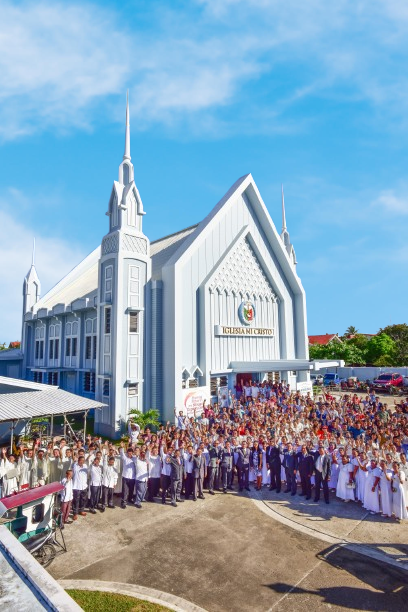
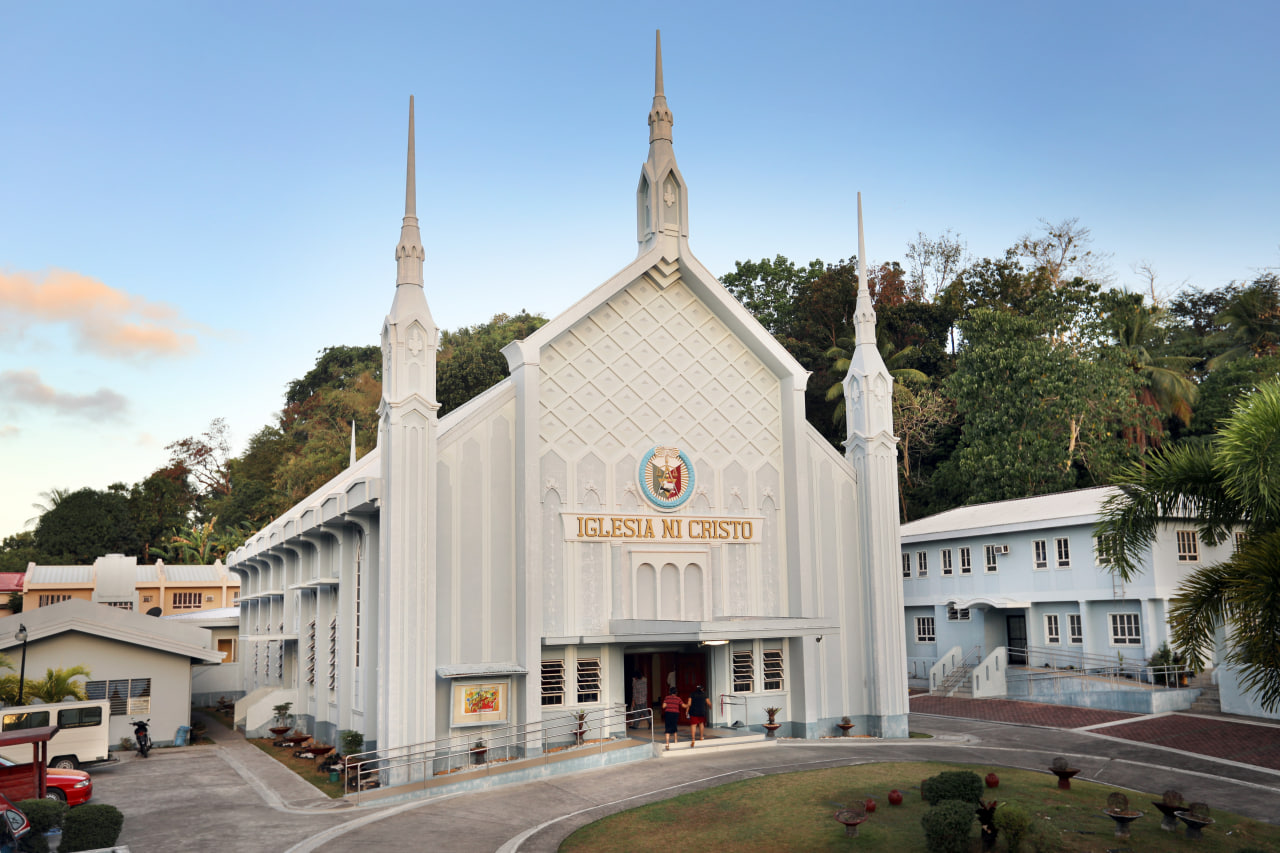
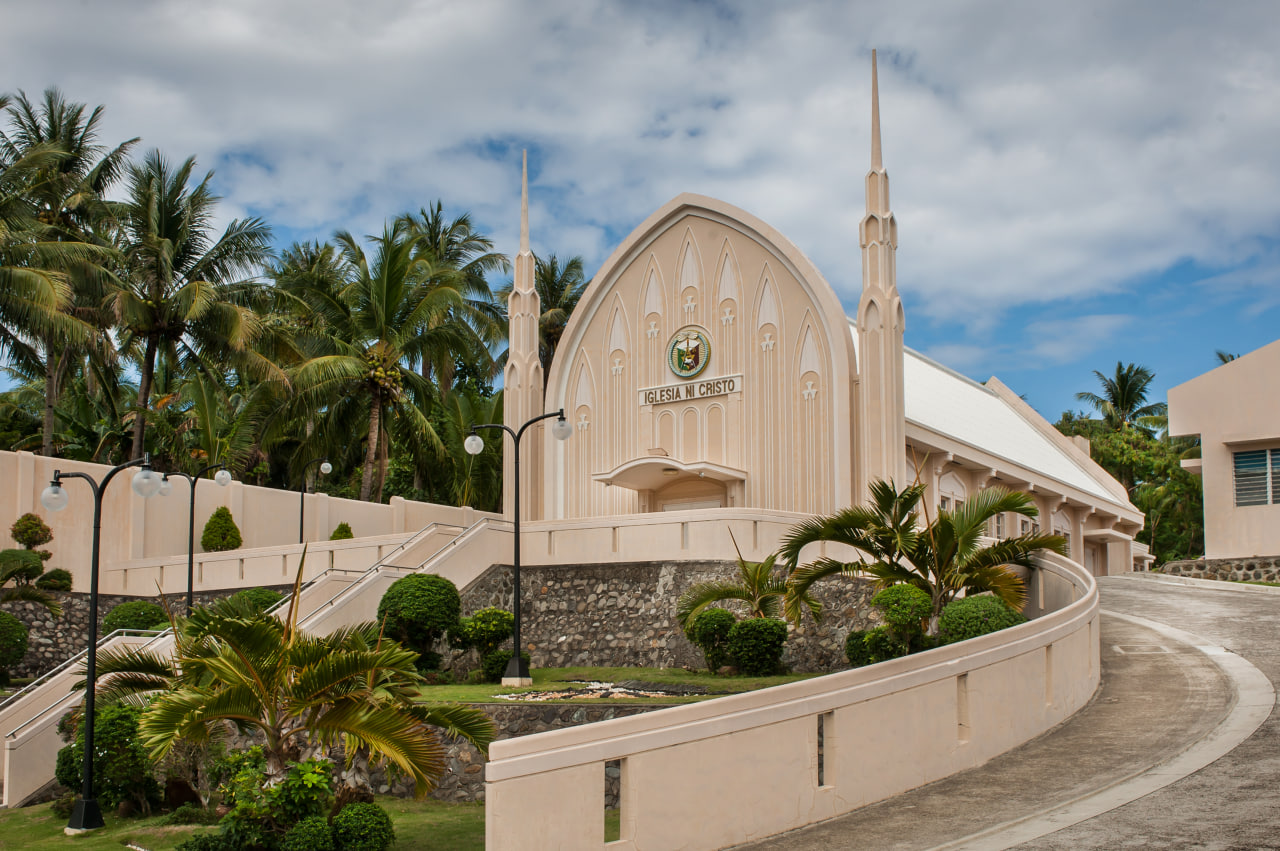
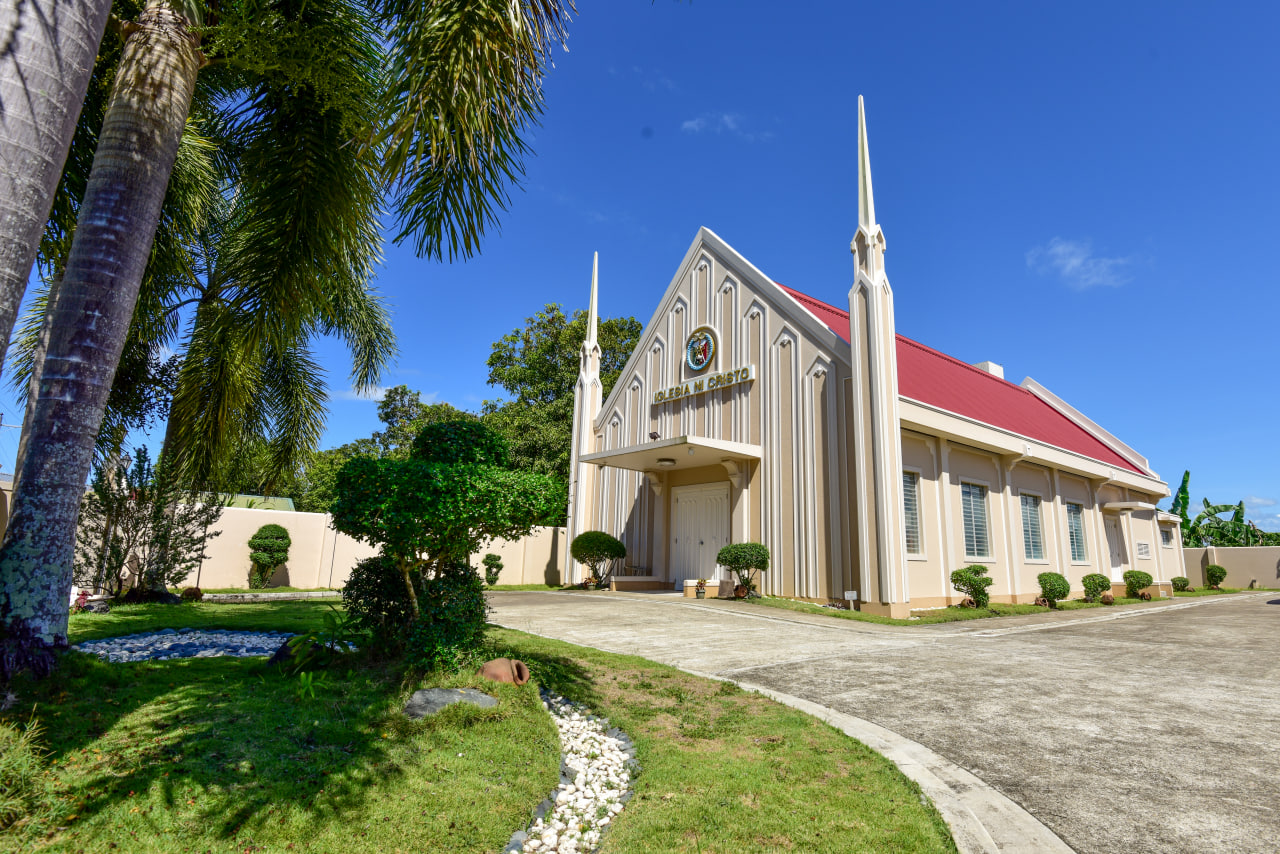
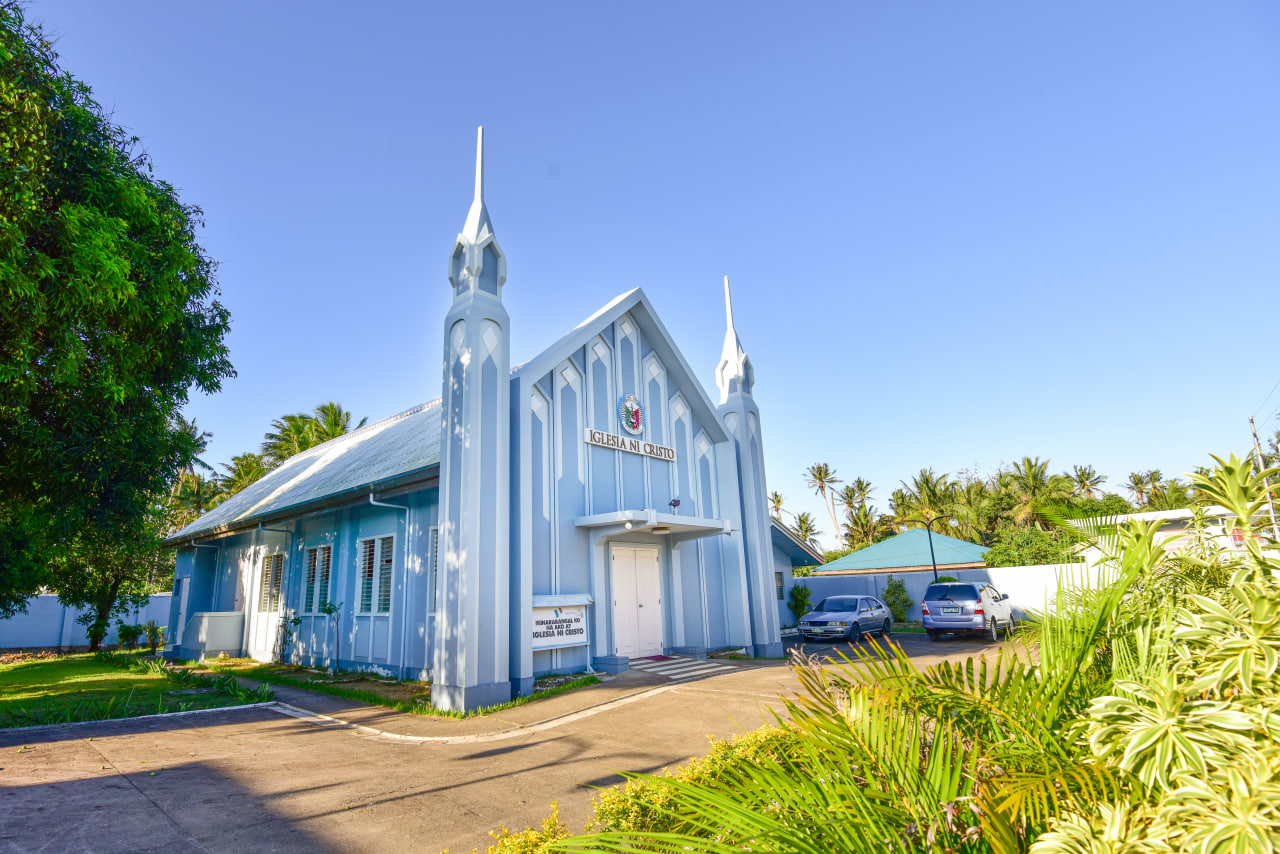
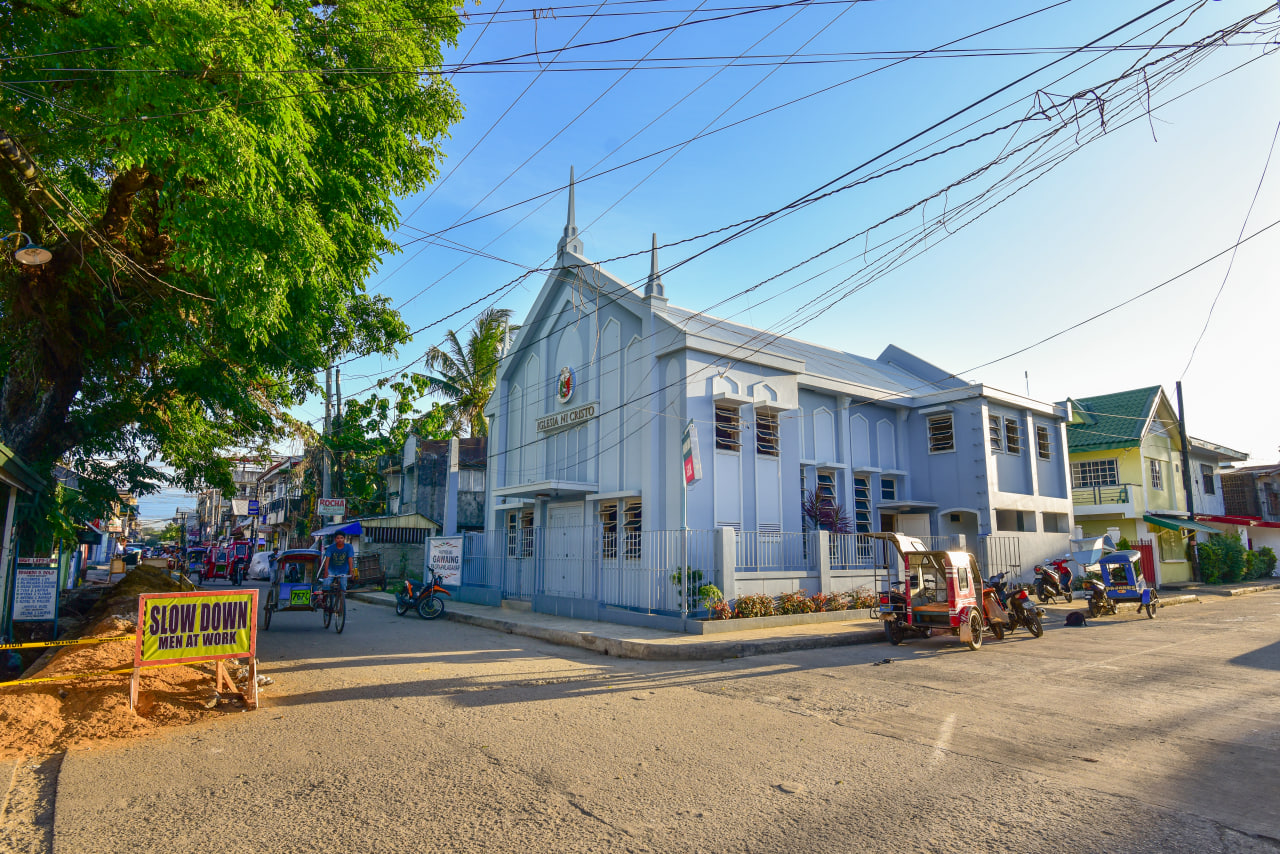
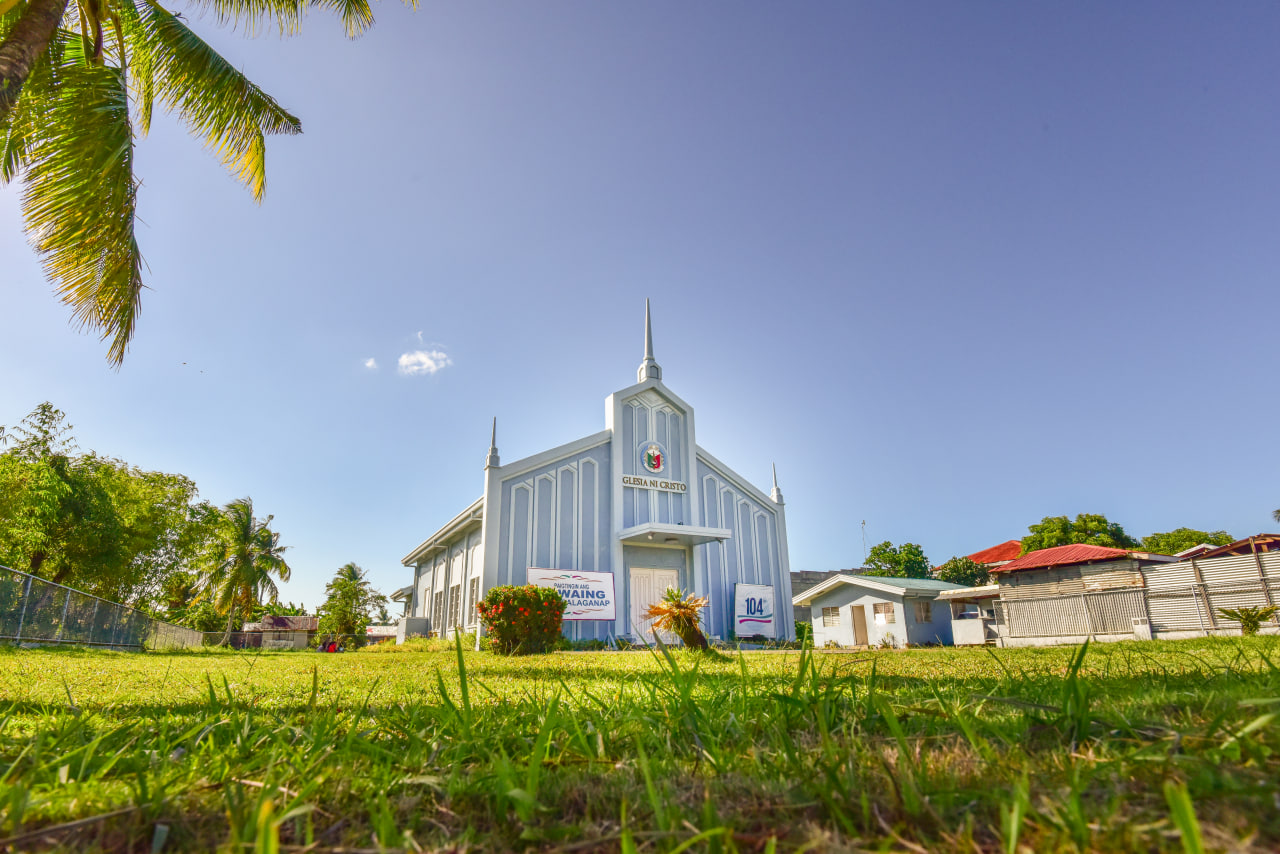
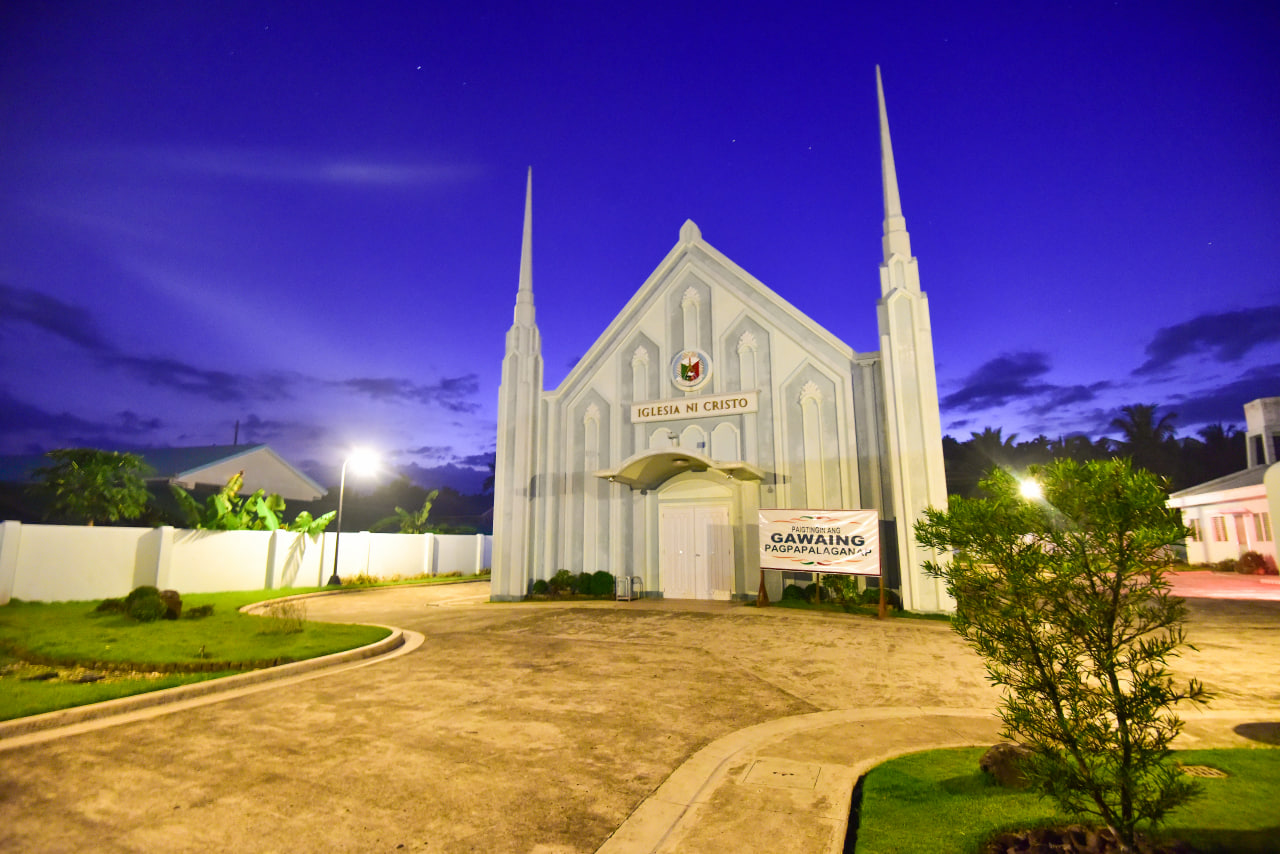
It all began with five brethren from the Local Congregation of Washington, Manila who returned to their hometown in Hernani, Eastern Samar. They were Brothers Pedro Contenido and Efren Ayon; Sisters Cristeta Ayon, Casemira Ogaya, and Andrea Bederio. Eventually, they found in the town other brethren who were also called in the Church Of Christ in various local congregations in Manila. And on the fifth of February 1950, they held a prayer meeting in the house of Sister Ignacia Cambil.
In their eagerness to propagate the true faith in that place and bring their loved ones and fellowmen to the true Church, they requested the Church Administration to send them a minister to preach the true gospel.
Brother Felix Y. Manalo, the Messenger of God in these last days and the Church’s Executive Minister back then, sent Brother Conrado Velasco to gather all the brethren in that place not only to lead them in propagation works, but also to edify their faith through worship services to God. On March 10, 1950, the first worship service attended by 12 brethren and eight guests was held in the house of Sister Ignacia Cambil in Hernani. During their pioneering propagation endeavors, they were severely persecuted by the townsfolk. Standing their ground, they did not let all hindrances from sharing the true faith overcome them.
In 1955, the Church Administration established the Ecclesiastical District of Samar. Evangelical missions to proclaim God’s words were intensified, reaching even the far-flung corners of the island, from Eastern Samar to Northern Samar. By 1964, the district already had 26 local congregations. Four years after, Samar was divided into two ecclesiastical districts: Samar I (comprising the local congregations in Western Samar and Eastern Samar) and Samar II (comprising the local congregations in Northern Samar).
The 1970s was a difficult decade for the members of the Church in Samar. They faced severe persecution and even death threats from an insurgent group. Many brethren were displaced and some were killed. But such trials did not weaken their faith; instead, it fueled their determination to carry on with their services to God. After some time, a minister of the gospel assigned by the Church Administration to their place spoke with one of the insurgent group’s commanders and persuaded him to allow the members of the Iglesia Ni Cristo to hold their worship services to God peacefully and attend to their livelihood as well.
In 1991, the names of the ecclesiastical districts in Samar were changed to Samar South from Samar I, and Samar North from Samar II. On September 17, 2013, the Church Administration approved that the local congregations in the province of Eastern Samar be formed as the Ecclesiastical District of Samar East, with the Local Congregation of Borongan as its center. Two months after, the three ecclesiastical districts of Samar were renamed Eastern Samar, Western Samar, and Northern Samar.
At present, the Iglesia Ni Cristo in Samar Island continues to flourish, as the brethren are evermore inspired to fulfill zealously their sacred obligations to help in the propagation works of the Church.