By JENSEN DG. MAÑEBOG and ALEJANDRO R. SINO CRUZ JR.
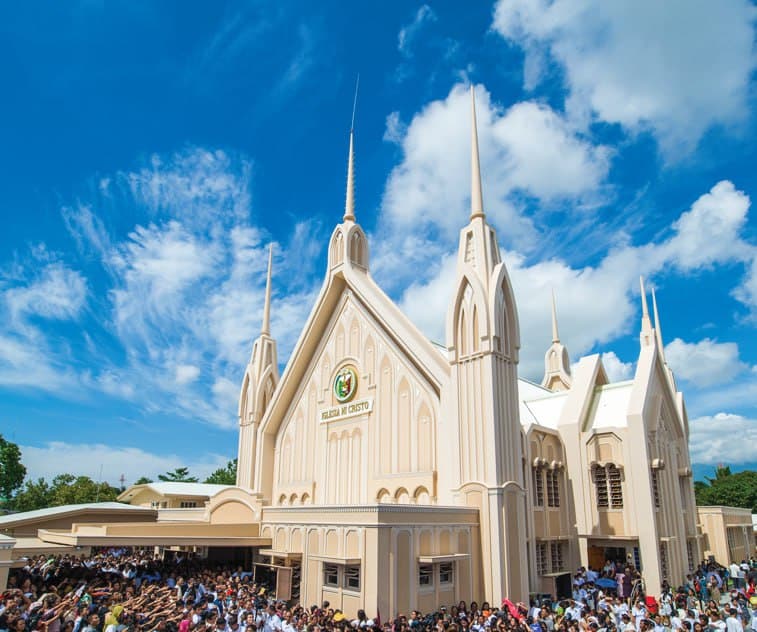
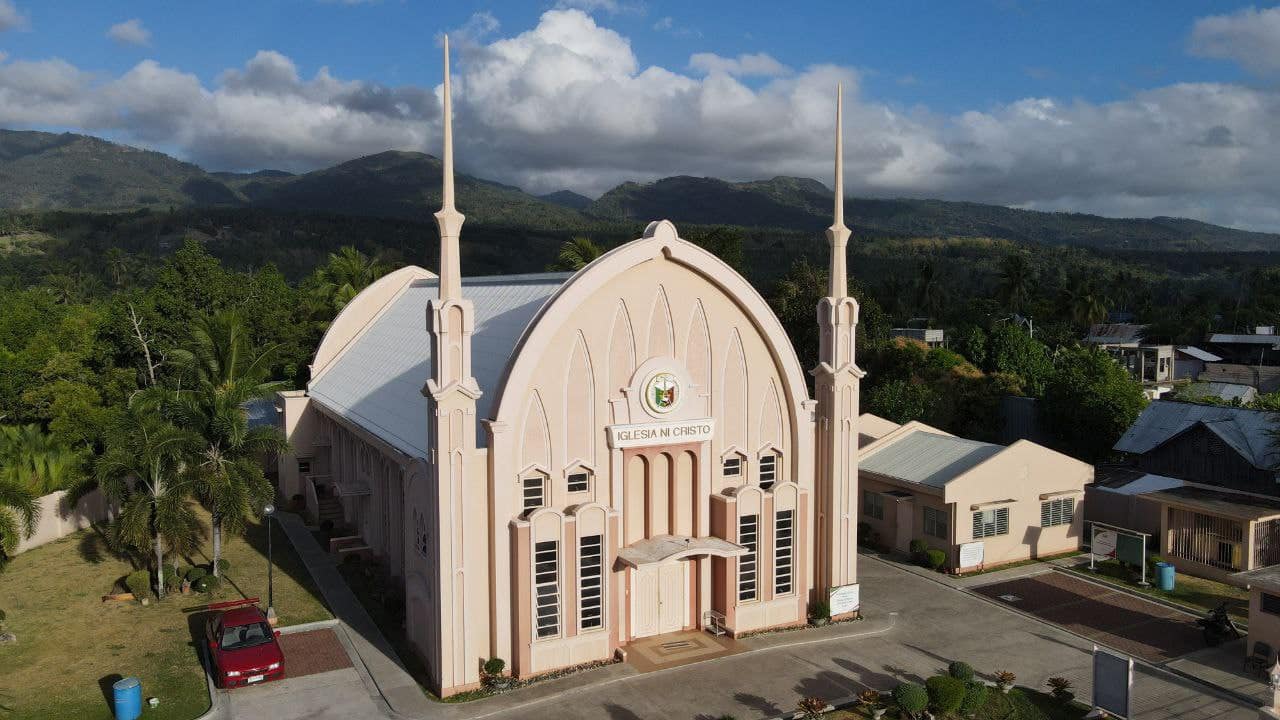
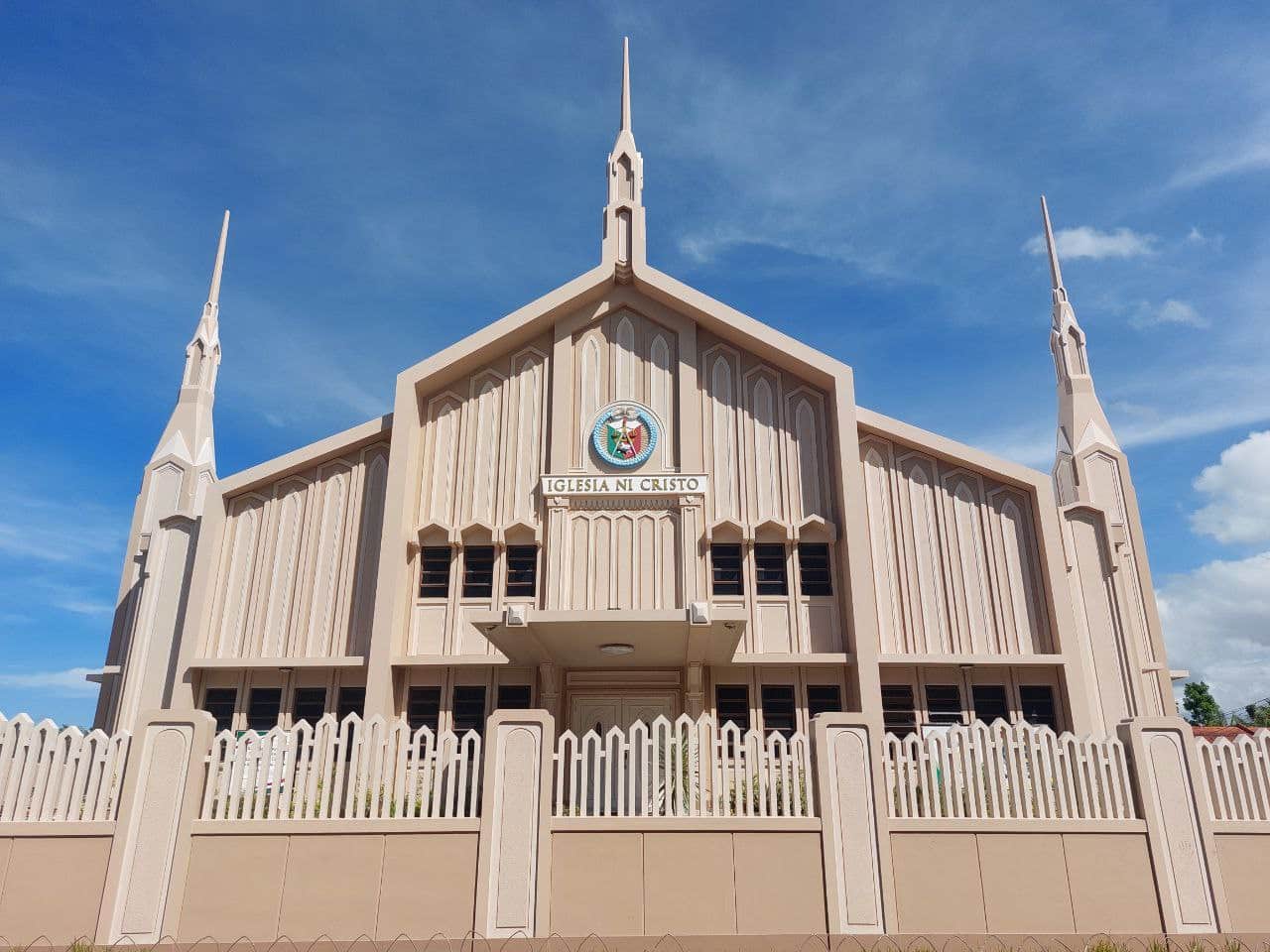
Local Congregation of Dumaguete
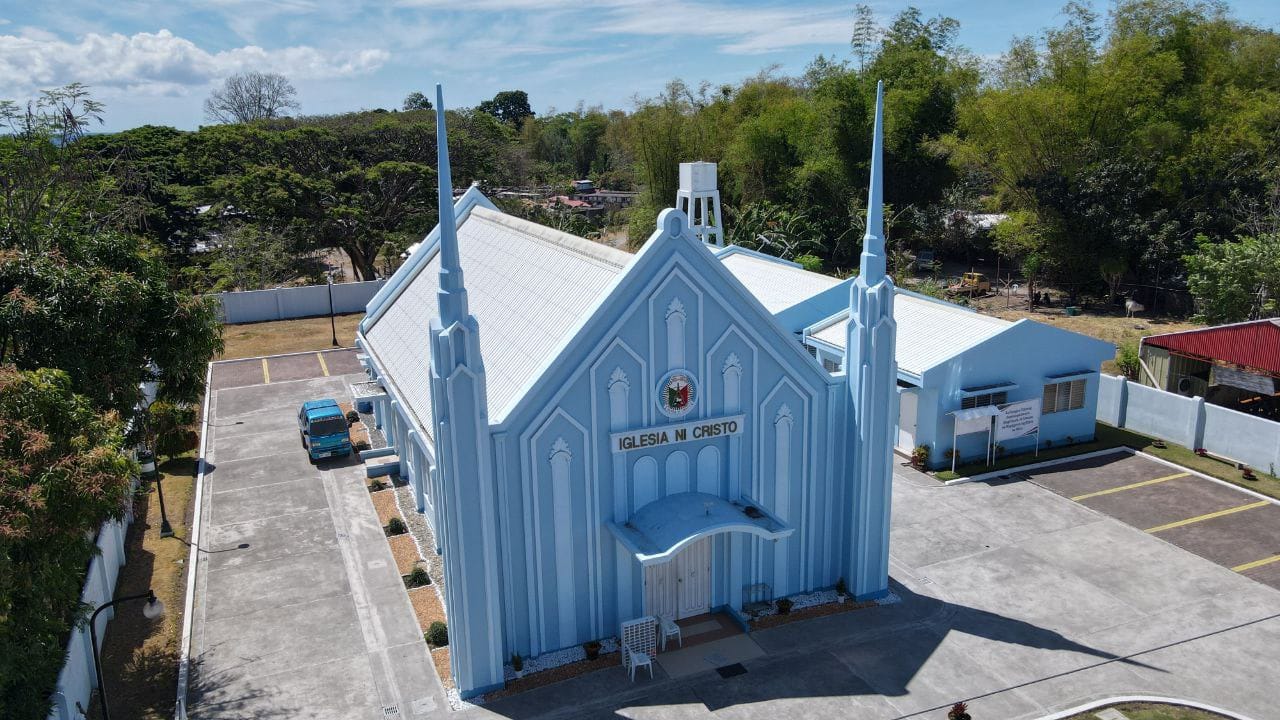
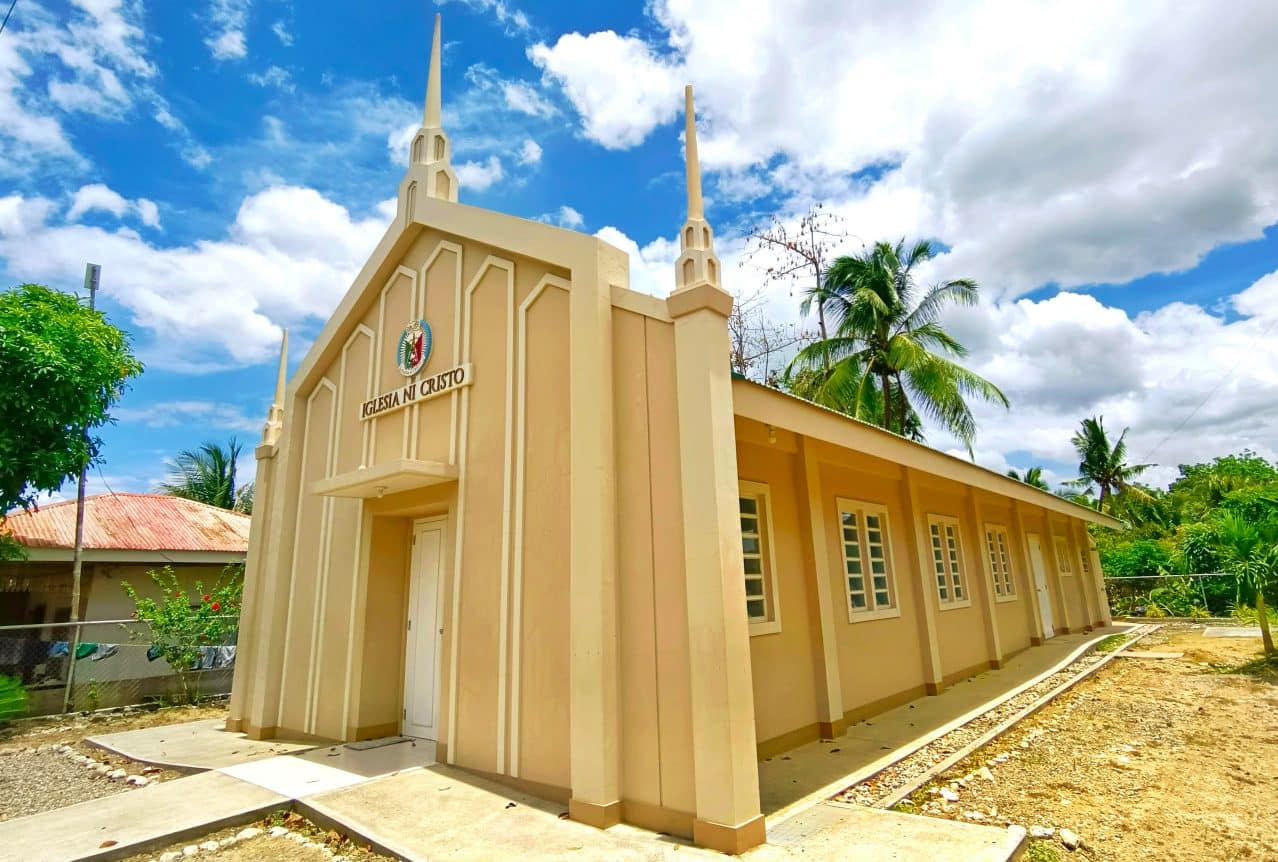
Local Congregation of Bacong
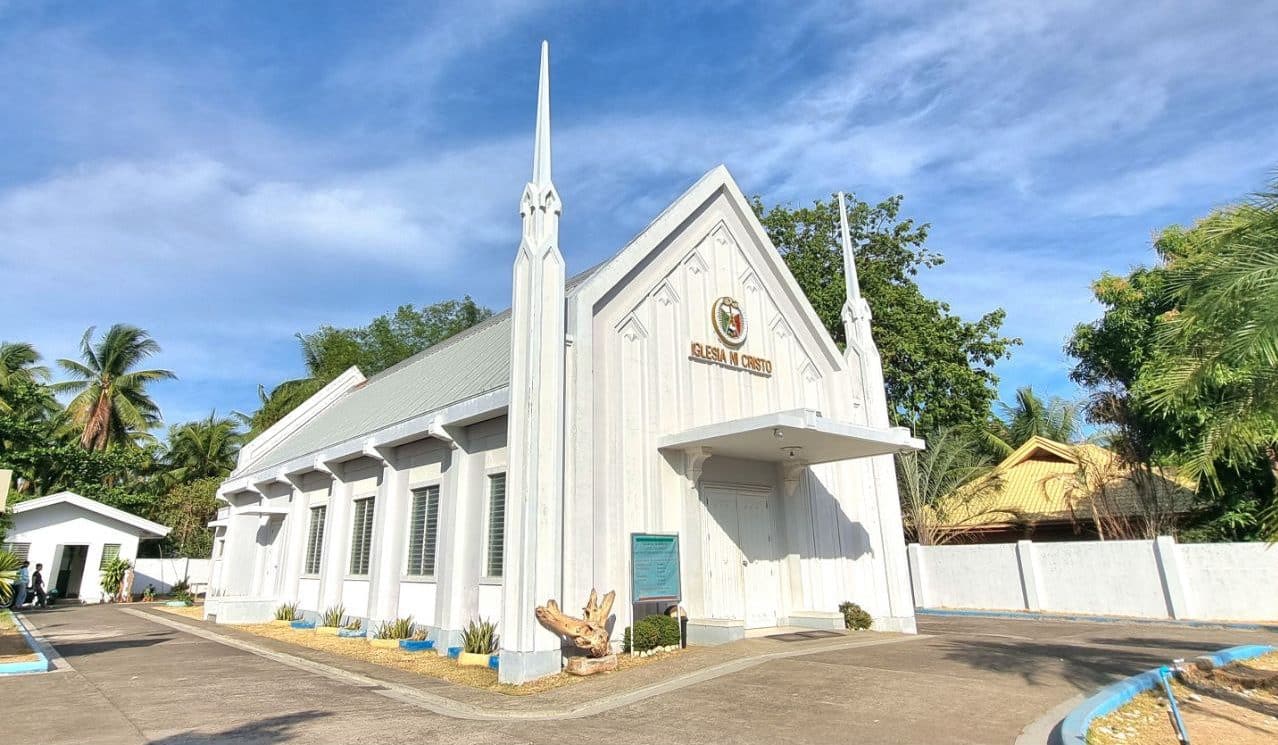
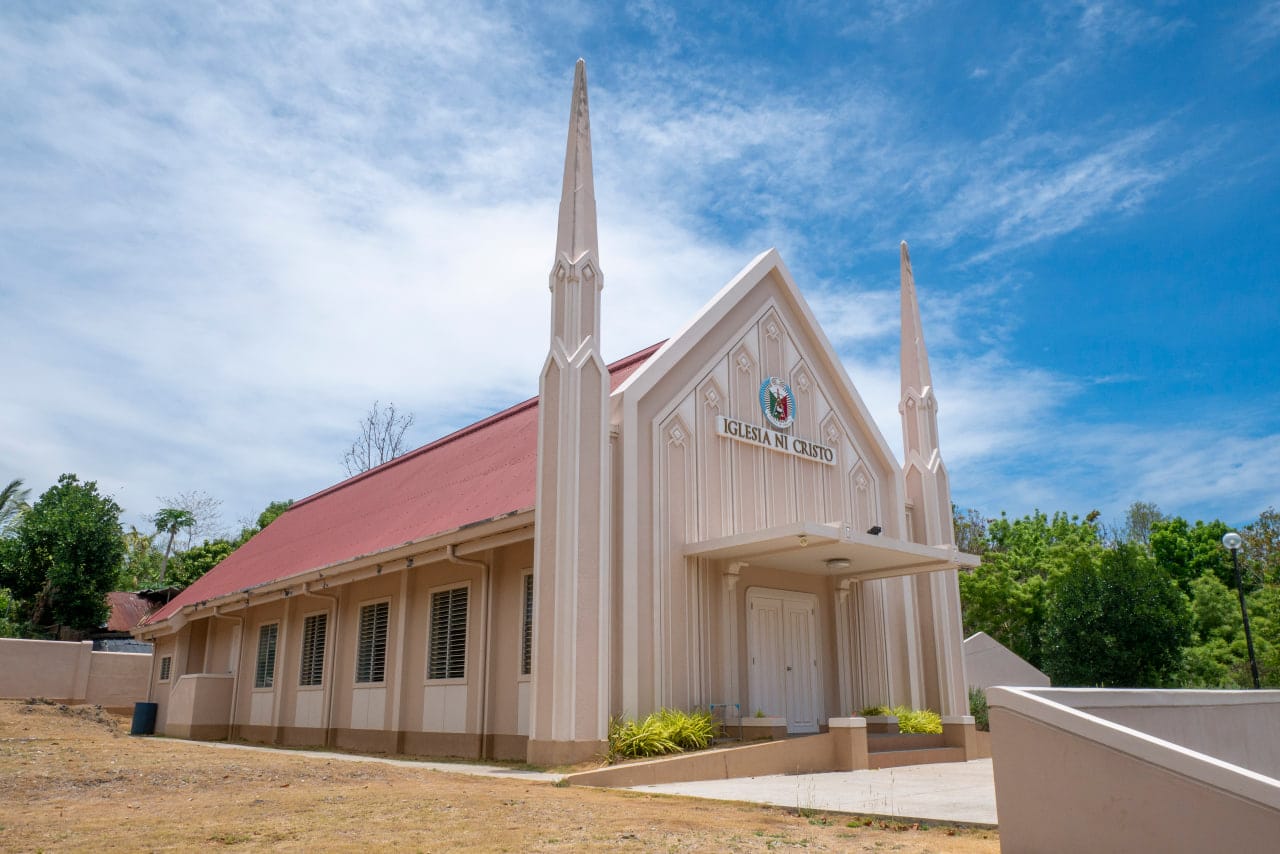
Local Congregation of Basay
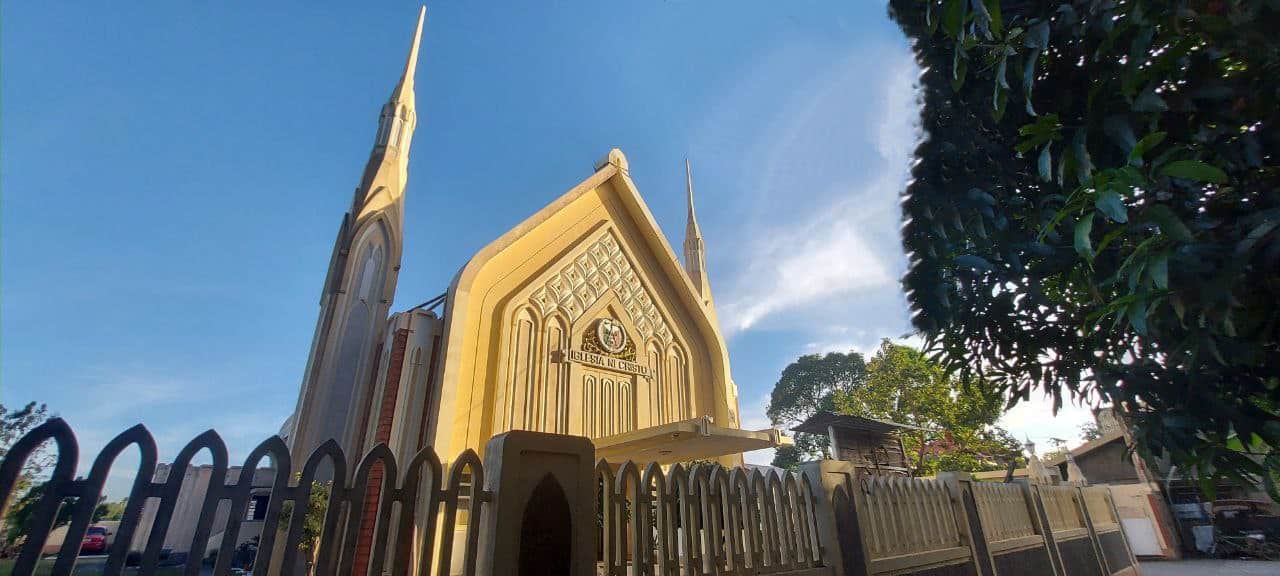
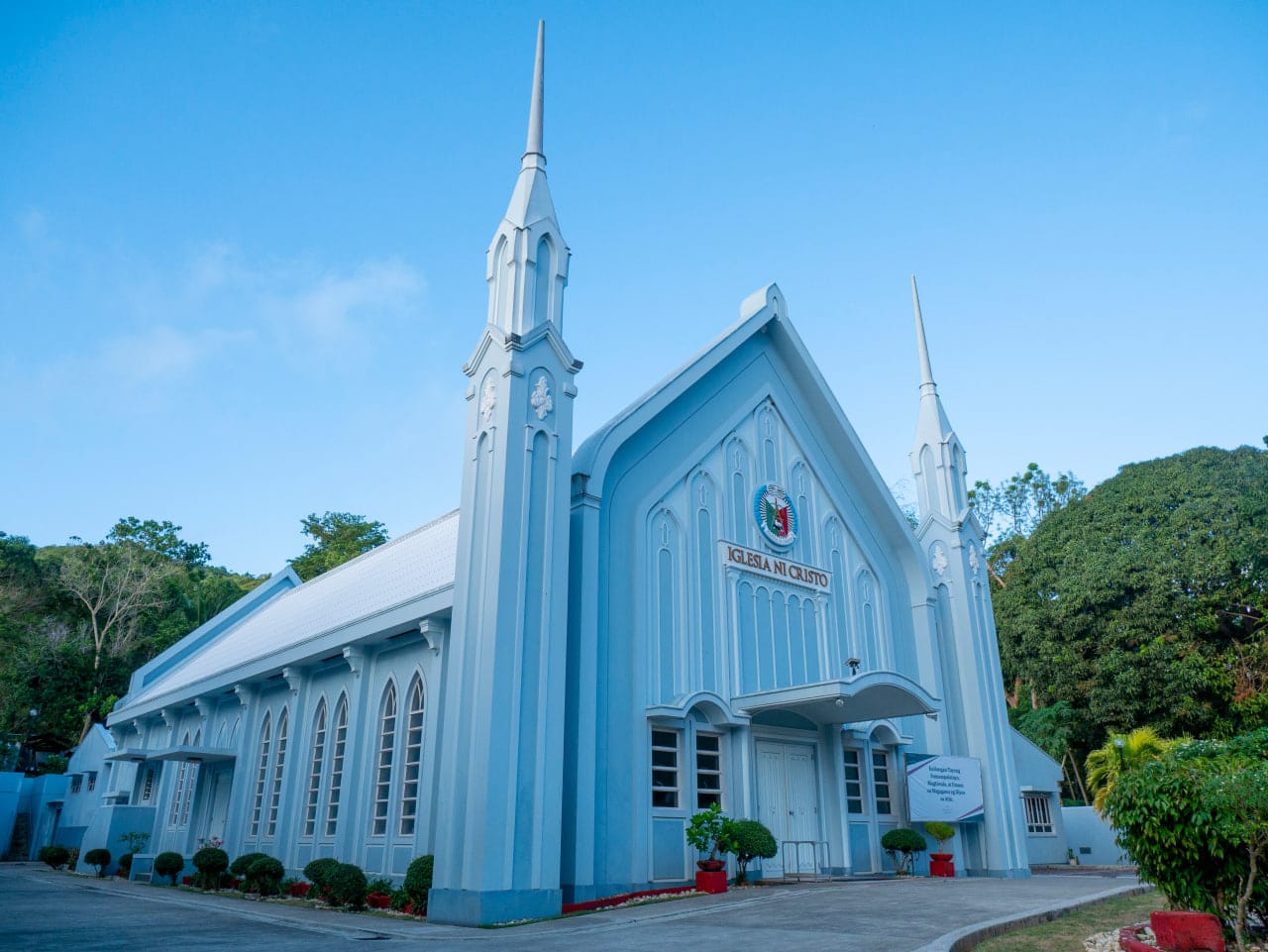
Local Congregation of Bayawan City
Local Congregation of Bindoy
Local Congregation of Bulwang
Local Congregation of Lazi
Local Congregation of Siquijor
Local Congregation of Sta. Catalina
NEGROS ORIENTAL PROVINCE is situated in the southeastern portion of the Negros Island in the Philippines. It is separated by tall mountains from Negros Occidental in the north and west, and by the Tañon Strait from Cebu in the east. It faces Siquijor in the southeast and is bounded by the Sulu Sea in the south.
Famous for its various tourist attractions, the province is home to beautiful natural sceneries and places of adventure, including plenty of waterfalls, caves, volcanic lakes, scuba-dive destinations, and white sand bar. Nestled between green mountains and blue seas, Dumaguete City, its capital, is considered a “university city” as not a few academic institutions with thousands of students are found here.
Negros Oriental formally became a province under the American civil government on March 10, 1917, three years after the Iglesia Ni Cristo (Church Of Christ) was registered with that government.
The beginning
The province was extensively damaged in 1941 during World War II. The true faith reached this part of the Central Visayas region while on its road to recovery.
In January 1950, brethren who were called into the Iglesia Ni Cristo in Cebu, returned to their hometown in Negros Oriental. With them were ministers of the gospel and a ministerial worker who were sent by the Church Administration to propagate the gospel in the province.
Having found other Church members in Dumaguete, they conducted a holy gathering on March 5, 1950. This first worship service in the province was held in a rented house in San Juan Street, a road perpendicular to Dumaguete Boulevard. That group of congregants became an extension of a local congregation in Cebu.
As a result of their zealous propagation of the gospel, many people decided to convert to the Church. The first baptism in the province was held on May 18, 1950 at the Banica River. Nine people were baptized. That date also marked the establishment of the Local Congregation of Dumaguete, along with the establishment of the Ecclesiastical District of Negros Oriental.
Propagating the gospel
The district’s subsequent propagational works included engaging in religious debates and holding large-scale evangelical missions. On October 25, 2013, at Quezon Park in Dumaguete, ministers who were sent by the Church Administration victoriously defended the true faith against the proponents of the dominant religion in Negros.
Notable evangelical missions in the province include those which were held on July 27, 2010 at the Lamberto Macias Sports and Cultural Center and attended by more than 10,000 guests on October 30, 2016 in which the large venue—the Negros Oriental Convention Center—completely filled even before the scheduled time; and on August 10, 2018, officiated by Brother Maximo M. Bularan Jr., when the Lamberto L. Macias Sports and Cultural Center was again filled to capacity.
Unity with the Church Administration
Time and again, the brethren in Negros Oriental have manifested their unity with the Church Administration by actively taking part in the various Church activities. Thousands of Negrense brethren joined the Iglesia Ni Cristo World Wide Walk for Yolanda Victims on February 15, 2014 and the Worldwide Walk to Fight Poverty on May 6, 2018. They held the former in Dumaguete City and the latter in two venues, Valencia City and Bayawan City. The main venue of both activities was in Manila.
Always one with the Executive Minister
On May 3, 2013, the Executive Minister, Brother Eduardo V. Manalo, visited the district and led them in worship service where 60 new ministers were ordained.
By God’s grace, the true Church is now all over Negros Oriental and keeps growing. Through the efforts of the ministers and ministerial workers, Church officers, and the brethren under the guidance of the Church Administration, local congregations continue to rise and flourish not just in the City of Gentle People (Dumaguete), but also in every other city and town of the province.